Shaping Food Environments in Transitioning Economies
Dietary habits are changing dramatically in emerging economies. In this project, we are studying the food environment in Sub-Saharan Africa and South-East Asia and developing solutions to make it healthier and more sustainable.
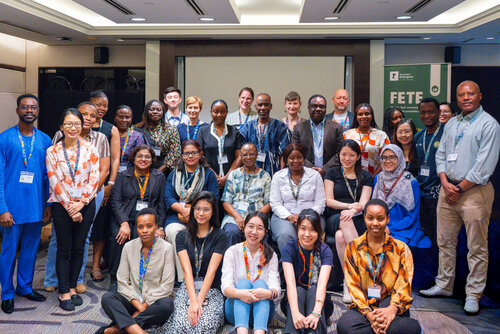
The last few weeks have been really busy! While the Doctoral Training Programme (DTP) was taking place at the University of Nottingham Malaysia (UNM), we held our annual FETE workshop from 18 to 20 August 2025 in Kuala Lumpur and attended the International Symposium on Food Environments from 21 to…
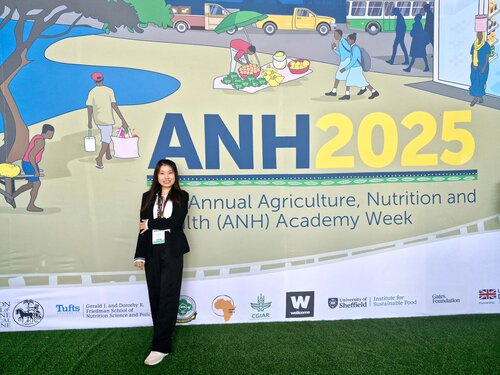
Three FETE project members recently represented the FETE project at the Agriculture, Nutrition and Health (ANH) 2025 Conference, held in Dar Es Salaam, Tanzania, from 23 to 26 June 2025.

The mid-term workshop of our project on "Food Environments in Transitioning Economies" (FETE) took place from 2 to 5 September 2024.
The project in a nutshell
interdisciplinary ● participatory ● multicultural

FETE stands for "Shaping food environments in transitioning economies for sustainable and healthy diets".
Officially launched in 2023, the project aims to understand the key drivers of eating habits and trends in production and consumption to answer the question "How can we shape food environments to promote nutritious diets and improve health?
The project is coordinated by the Thünen Institute, Germany.
- Four study countries
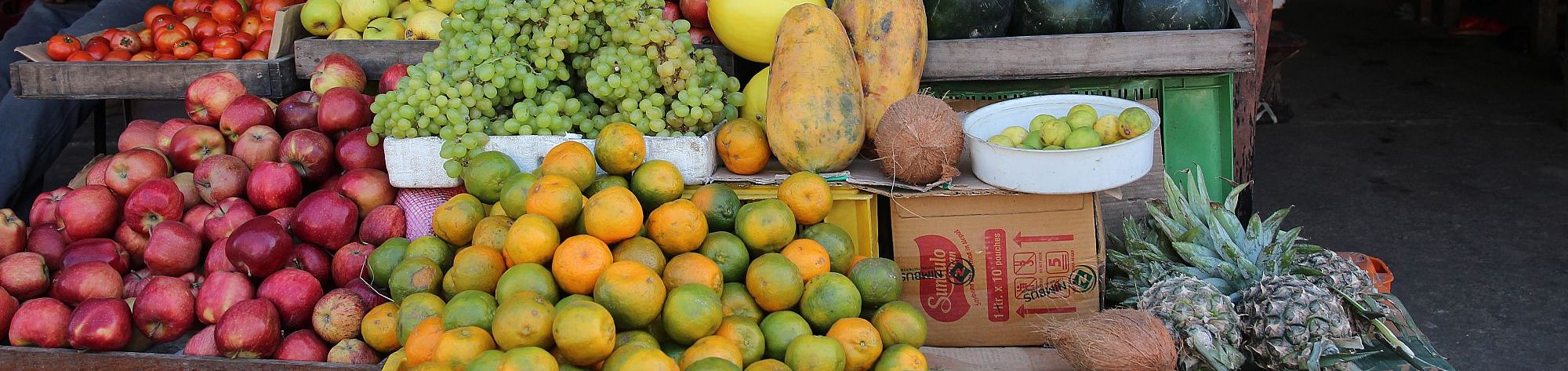
We study the external and personal food environments as well as the policy framework in Ghana, Malaysia, South Africa and Tansania.
- Target group: urban deprived communities
Our focus is on urban deprived areas.
- Reference model for the global South
Based on cross-country analyses, we develop a reference model for the Global South.
- Capacity building
A core element of the FETE project is an interdisciplinary training programme for doctoral students.
Research Consortium